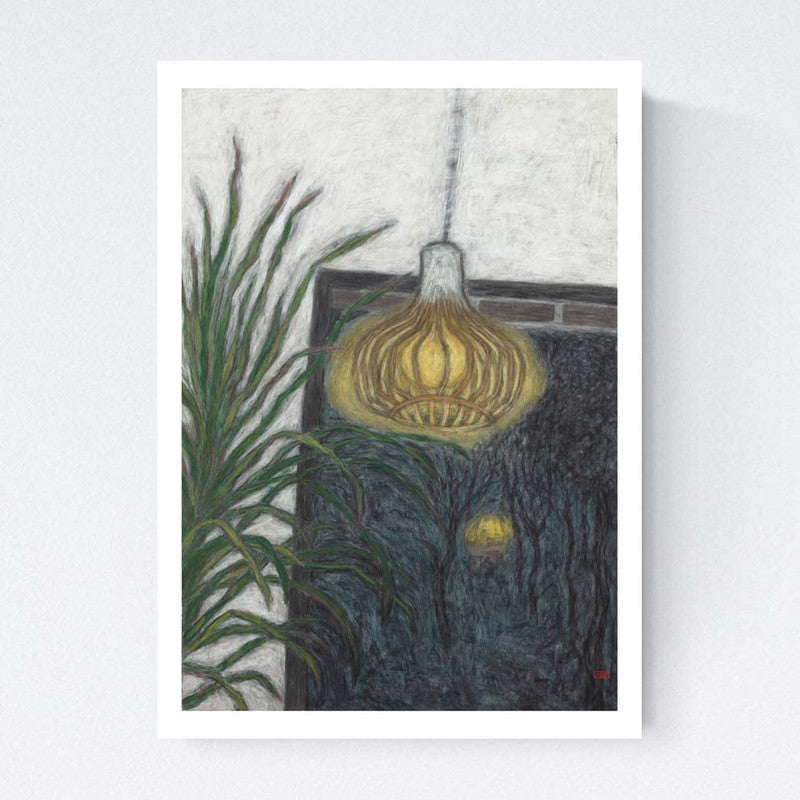
#3 The Art of Choosing Art — Where Emotion Meets Investment
When Art Speaks — Is Emotion Enough?
In my last post, I wrote that art begins with feeling.
And that a piece that truly speaks to you is the one most worth collecting.
But lately, I’ve been wondering—is that emotion really enough?
Art Conversations on the Sidewalk
I live in a neighborhood where most of the residents are retired seniors. Since I don’t work a regular 9-to-5 job either, I often see them while walking my dog. One of them, who knows I’m an artist, always stops to ask me questions about art.
One day, I was heading back from an art auction class. The same elderly lady asked:
“Where are you coming from?”
I said,
“Oh, I just got back from an art auction.”
Her response was:
“Then those paintings will be worth a fortune someday.”

Photo by Christine Bae
The Myth: All Art Will Become Valuable
That one line summed up what many people tend to believe about art:
“All artworks will get expensive eventually.”
But I suspect those who think this way have either never bought any art — or have never participated in an auction.
So… do all artworks really become valuable over time?
As someone who’s not a professional collector, I can say: not in my experience.
Some of the pieces I own haven’t gone up in value at all.  Photo by Christine Bae
A work from my personal collection
In my art studio
In fact, some haven’t even had any market activity.
Why? Because the artists don’t yet have an established market.
A price only exists when someone is willing to buy.
Why I Really Buy Art
When I shyly responded to the elder who assumed I’d get rich by buying art, I said:
“Nope — I’m buying simply because I love it.”
That’s what I said. But then I caught myself thinking:
“Is that really true? Am I being genuinely altruistic?”
Let’s be honest:
Even the most beautiful thing gets old after a while.
Even great art can lose its spark after hanging on the same wall for too long.
I buy to support artists I love — but I’d be lying if I said I didn’t hope their work appreciates in value someday.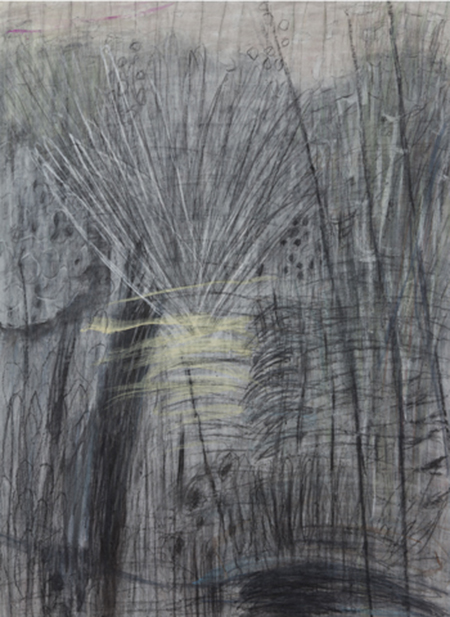 painting by Jang Hyun-joo
woods-13
Pigment, ink & charcoal on Jangji (Korean paper), 149 × 105 cm, 2014
The Quiet Voice Inside: “What If?”
So yes, beneath all my idealism, there’s a small voice that whispers:
“Hey, why not?”
Every painting I add to my collection takes up space — physical and emotional.
Occasionally, I think about reselling pieces I bought impulsively.
Yet I keep them, because I believe:
“This artist is unknown now — but one day she’ll be recognized.”
That belief carries a kind of hope.
And maybe that’s what true patronage is:
Giving small support now to help someone grow into what they’re meant to be.
Learning the System: Auction & Market Classes
That’s one reason I started taking classes on the art market and auctions — to better understand:
-How buyers evaluate art
-What role I can play in that system
And from there, I began crafting my own strategy — like a professional collector might — to decide:
How do I choose which artists to support or invest in?
Sorry for the long intro, but here’s the core: © Photo by Christine Bae
Lee UFan with wind at Seoul Auction
Emotion Sparks, Investment Follow Strategy
A good collector isn’t just someone who buys “pretty pictures.” When those two come together, collecting isn’t just a hobby—it becomes a language of asset building.
You need two complementary skills:
- The ability to feel and recognize emotional impact
- The insight to predict future value
When those two come together, collecting isn’t just a hobby—it becomes a language of asset building.
So ask yourself:
- Where does this artist stand in today’s market?
- Will this piece draw attention from collectors in the next few years?
- Can I trust the curation of the gallery or platform involved?
These are the questions that follow the initial emotional reaction.
“Emotion is the direction. Data is the compass."
- Emotion tells you if you connect with a piece.
- Investment value comes from things like size, artist biography, exhibition history, and distribution channels.
1. Read the artist’s story
For a work to hold value, consider the artist’s journey:
- Their personal narrative,
- Work ethic,
-
Gallery support.
Fame alone isn’t enough—it’s about whether they’re a consistently growing artist.
2. Define your own collecting criteria
Ask yourself: “What emotionally moves me?”
Then track whether that emotional response intersects with investment potential.
For example:
“I’m drawn to striking color and texture—but I also check that the artist is under 30, has exhibition credentials at recognized institutions, and has strong online distribution.”
In Summary – Finding the Balance
Art at its core moves people’s hearts. Without that emotional spark, no artwork can endure.
1. But at the same time, we want that spark to grow and reach others. That’s why we also bring an investment mindset.
2. Paintings speak—they speak quietly or loudly. Our emotions hear the words. Our insight interprets the future.
3. Instead of selling originals, I now offer photo prints of my work so more people can access it. I hope they serve as pieces that linger—between emotion and value.
And if a painting out there is speaking to you right now?
It could be your first treasure.
Take a look at my curated art‑print selection below. Let’s explore together where emotion meets insight.
In my next post, I’ll dive into the pitfalls beginner collectors face when choosing art—complete with real stories of purchases that felt right… but didn’t end well.
Author: Christine Bae
Who is Christine Bae?
I’ve been working as a full-time artist for seven years now.
As a professional painter with a passion for collecting great artwork, I’m excited to connect with people who share that same appreciation.
I don’t sell originals online, but I do offer art prints as a way to share my work more widely.
↓↓↓↓↓
[See My Art Prints]
[Browse Original Works]
[Read the Artist’s Story]
[Support the Artist]
Connect with My Art
Follow me on Instagram: @christine_baeks
Watch more on YouTube: Solo Exhibition Video
Originally published at Christinebae.com
This article was written by Christine Bae.
Unauthorized reproduction is prohibited. All copyrights belong to Christine Bae.
Copyright © Christine Bae.
Thank you for reading
Thanks for reading Christine’s Article
Subscribe for free to receive new posts
and support my work.
I want to chime in and say thank you to all the new subscribers here
and encourage all of my free subscribers to please consider supporting my work here
on christinebae.com with a paid subscription.
For as little as $5 a month or $50 a year, you can help sustain my work here.
Other ways to support my work here include include donating to my paypal account